

The accordion king of Ådalen
Karl Grönstedt
1912 – 1983
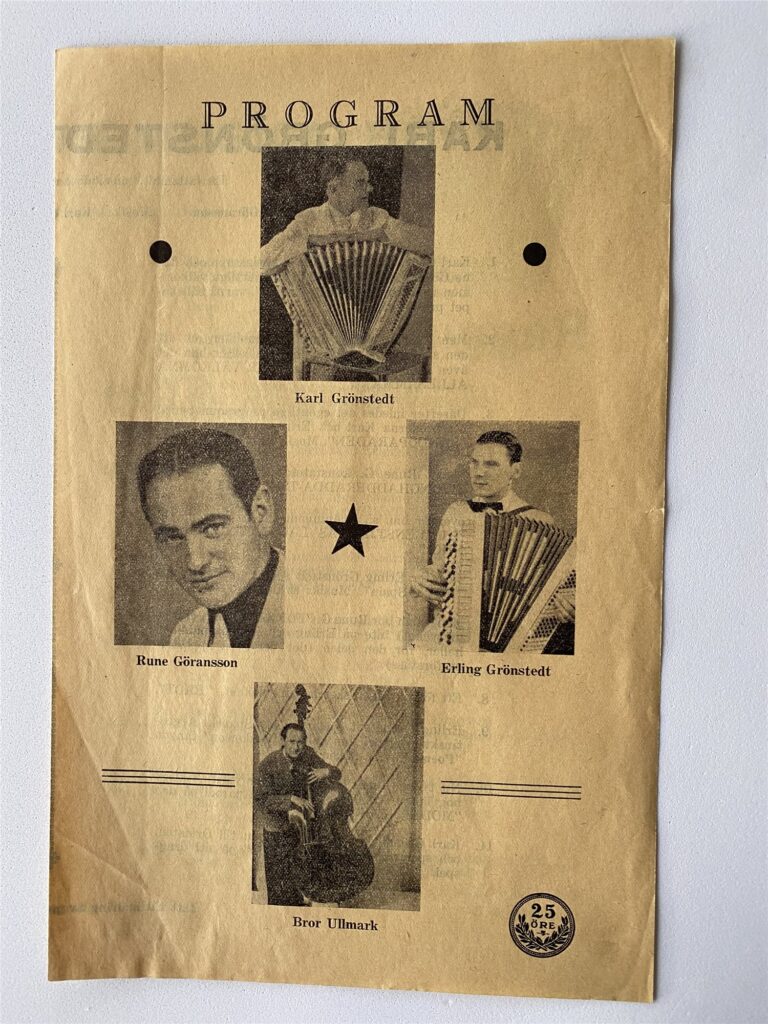
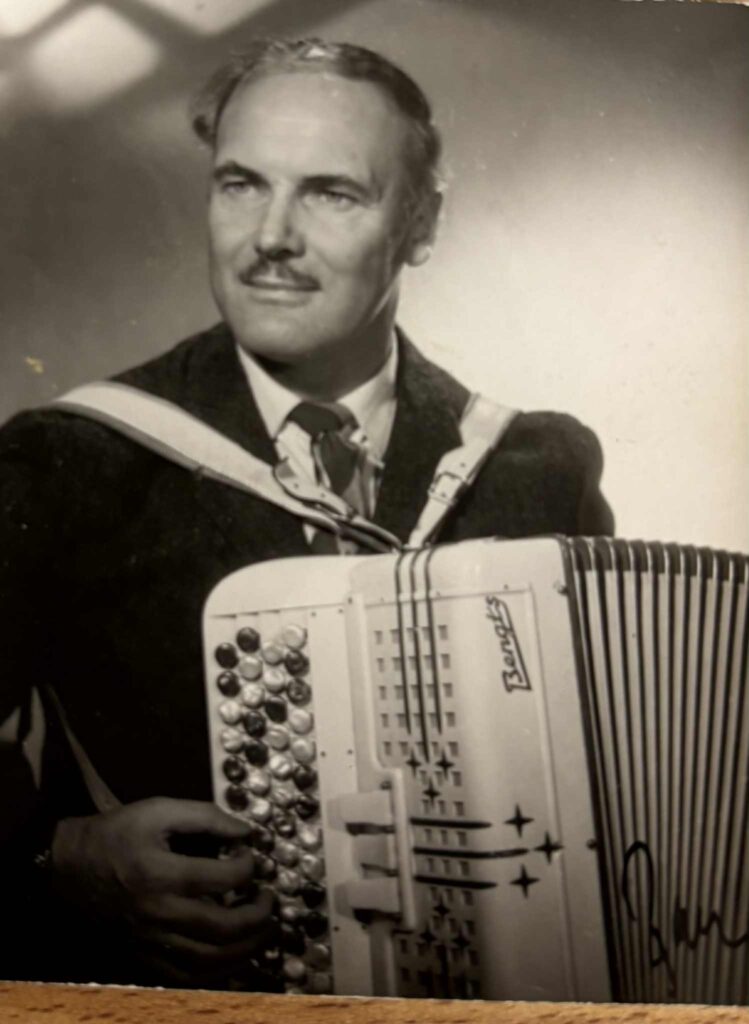
Karl Grönstedt was one of Sweden’s greatest accordionists of all time. From Lugnviksstrand in the Ådalen valley to the dance halls of Stockholm, he carried the musical heritage of Ådalen to the whole of Sweden.
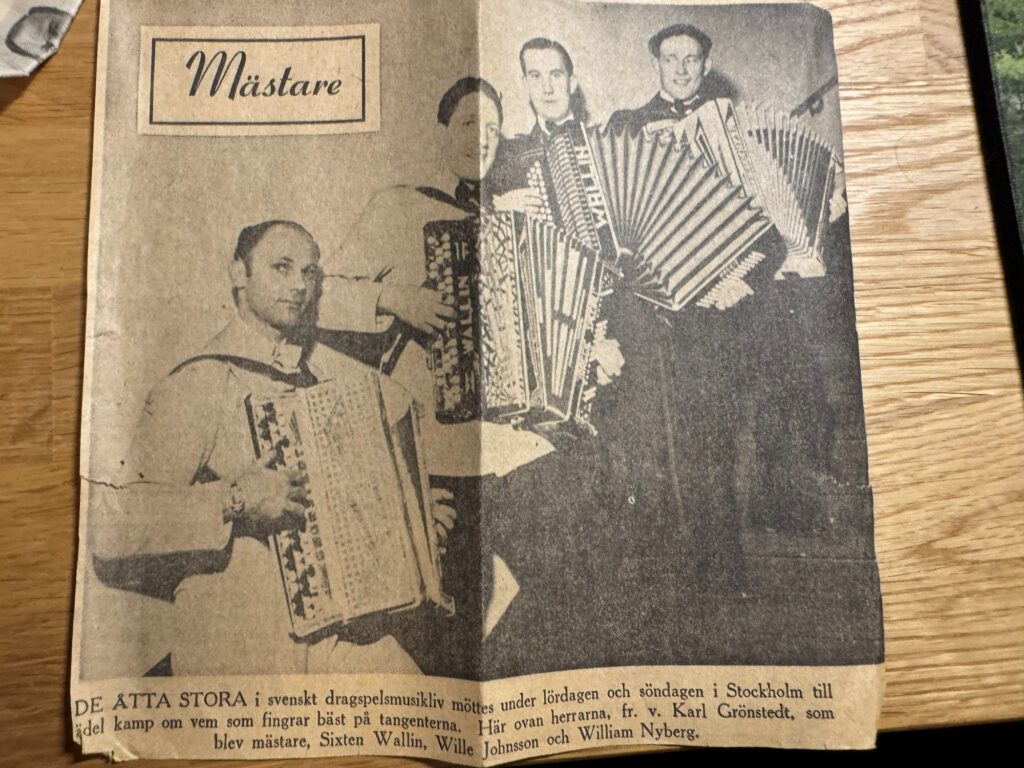
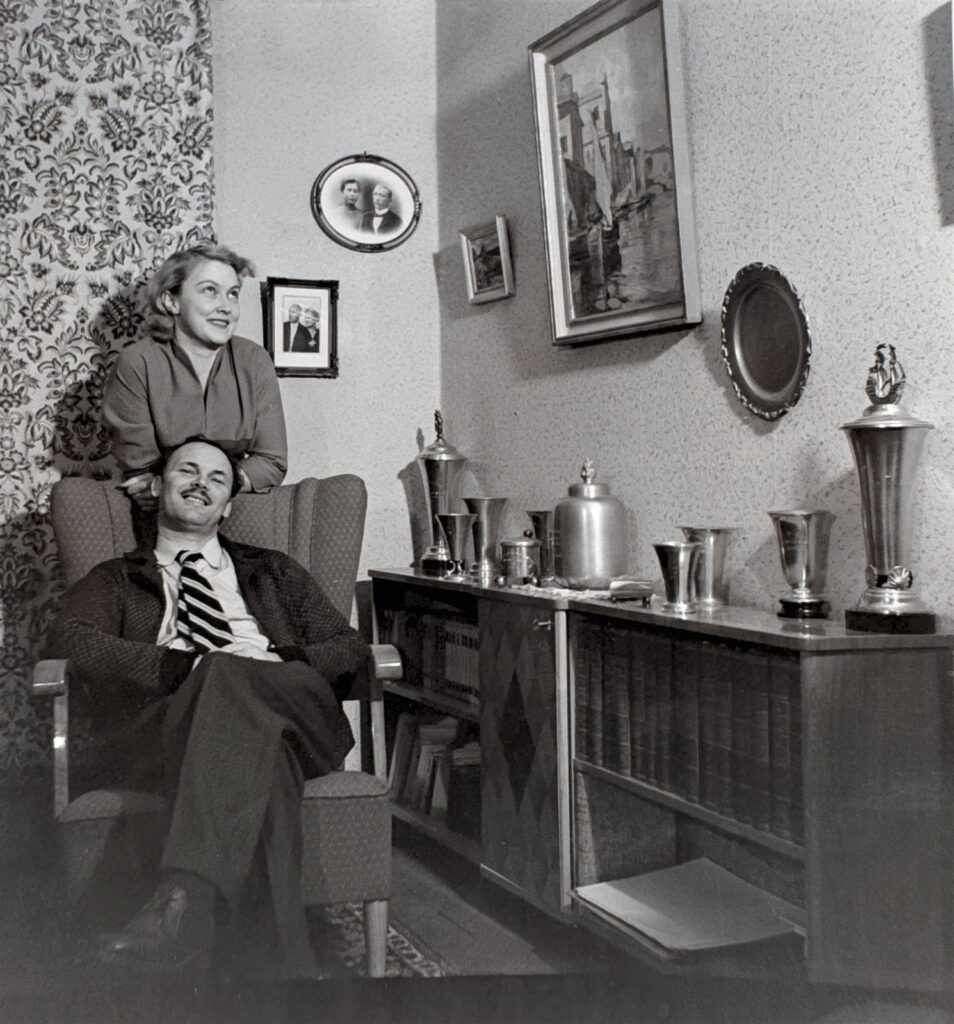
- Swedish accordion champion in 1941 and 1944
- Nordic champion
- Composer of “Månsken över Ångermanälven” (Moonlight over the Ångerman River)
Born in Lugnviksstrand
February 18, 1912, Bjärtrå parish
Swedish champion
Accordion, 1941 and 1944
Composer
“Månsken över Ångermanälven” and more
Married 1945
To Selma Katarina from Björna
Karl’s story
A life in five chapters
Childhood in Ådalen (1912–1924)
Karl Johan Grönstedt was born on February 18, 1912, in Lugnviksstrand in the parish of Bjärtrå, Ångermanland – on the Ångerman River, the river that would later be called “the Accordion River.” The family was “accordion-crazy”: his father Carl Gustaf had won a diatonic accordion in a penny raffle, and together with Karl’s mother Jenny he loved the old-time dances.
Karl had his first accordion lessons at the kitchen table at home in Lugnviksstrand, on one of the family’s simpler instruments. His father Carl Gustaf sat beside him and pointed with a knitting needle at the buttons his son should press – and gradually the notes and melodies came. That is how Kalle himself told it in a radio program, retold in the newspaper Söndagsextra in 1977.
Music was there from the very beginning. His younger brother Ture remembered how he and Kalle lay in the cradle rocking in time to the “Norwegian Waltz” from the gramophone horn – the same record their father Carl Gustaf learned to play from. In 1924 Kalle, still in short trousers, played for the temperance society audience at “Kuba” in Lugnviksstrand, and before long he was earning his own money from his gigs – enough to treat Ture to coffee and cake now and then.
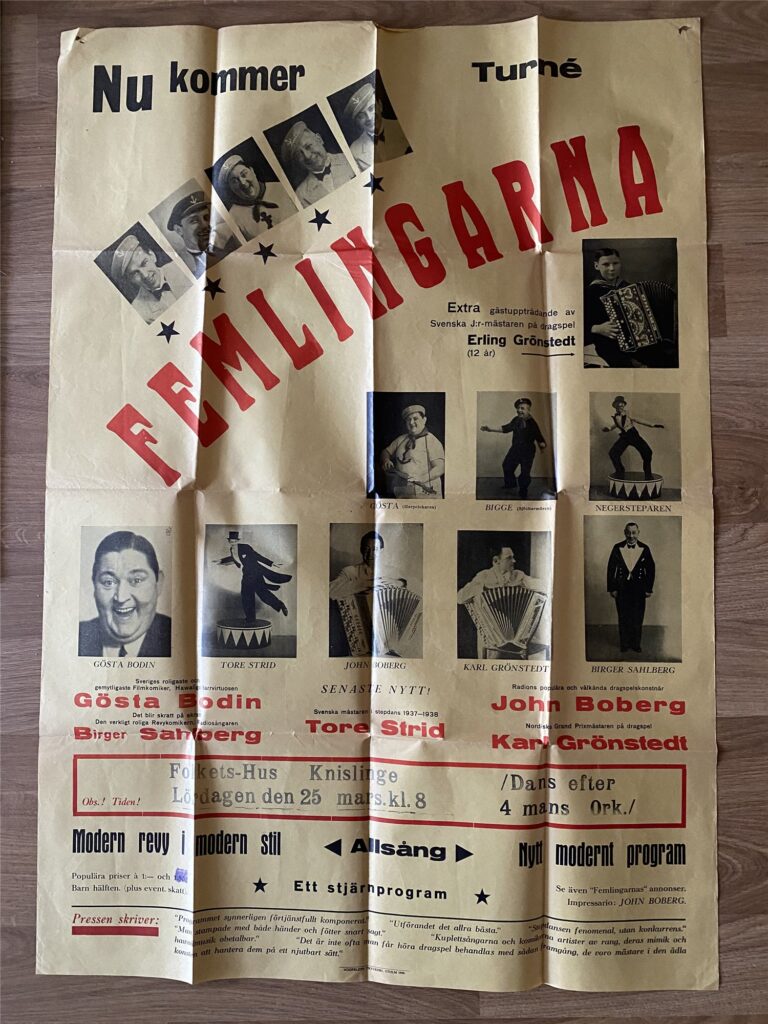
Karl was the eldest of five siblings: Karl (1912), Ture (1913), Gösta (1916), Margot (1919–1949) and the youngest brother, Erling (1923). He started playing the accordion at the age of seven and was already playing dance music at twelve. He was largely self-taught – apart from three months of lessons with the well-known Norwegian accordion teacher Ottar Akre in Oslo.
In Ådalen there was music “everywhere, in every single cottage.” The accordion was pushing the fiddle aside, and the valley became Sweden’s accordion district above all others.
Competition successes (1932–1944)
- 1932 (aged 20): second place in the Accordionists’ Grand Prix at the Auditorium, Stockholm
- 1933 (aged 21): first prize in the Gunstling competition at the Auditorium
- 1934–1935: first prize in the Grand Prix at Cirkus in Gothenburg
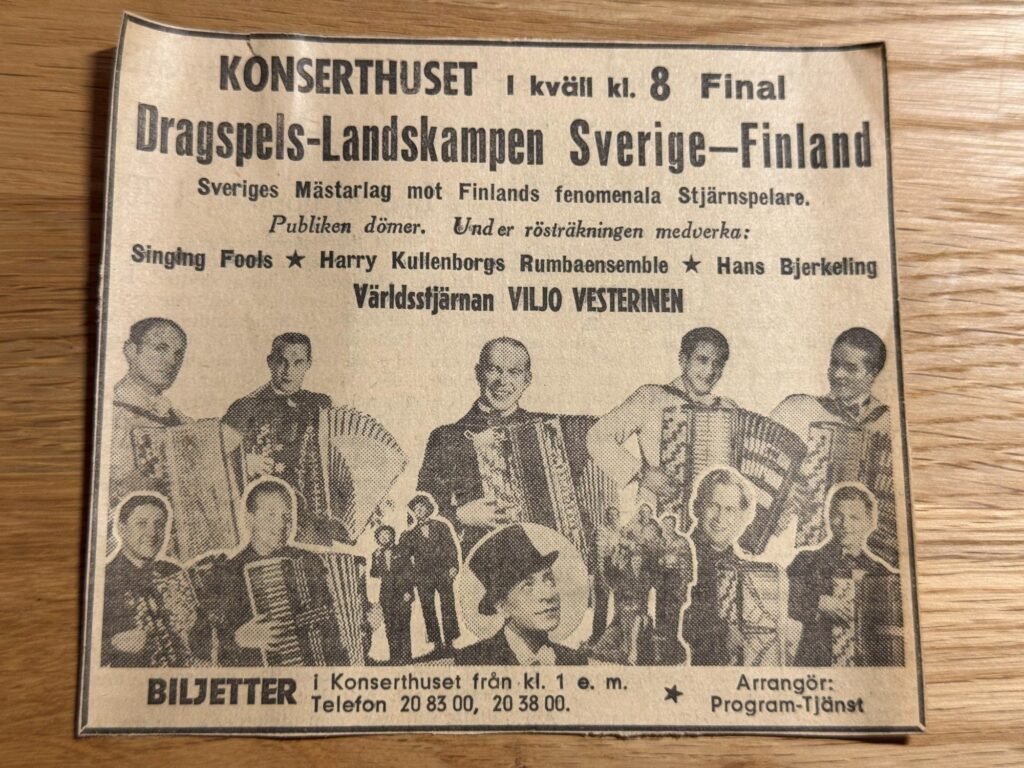
- 1936: first prize in the Grand Prix at the Stockholm Concert Hall, in the Nordic Grand Prix at Cirkus in Gothenburg and in the Swedish Grand Prix in Örebro
- 1941: Swedish champion – first prize in the Swedish Championship at Vinterpalatset, Stockholm
- 1944: Swedish champion again, at the Stockholm Concert Hall – the same year he also won the Typerna accordion competition in Malmö Folkets Park
Between 1932 and 1944 Karl won some ten first prizes. He also became Nordic champion (exact year unknown).
Back to Ådalen (1936–1941)
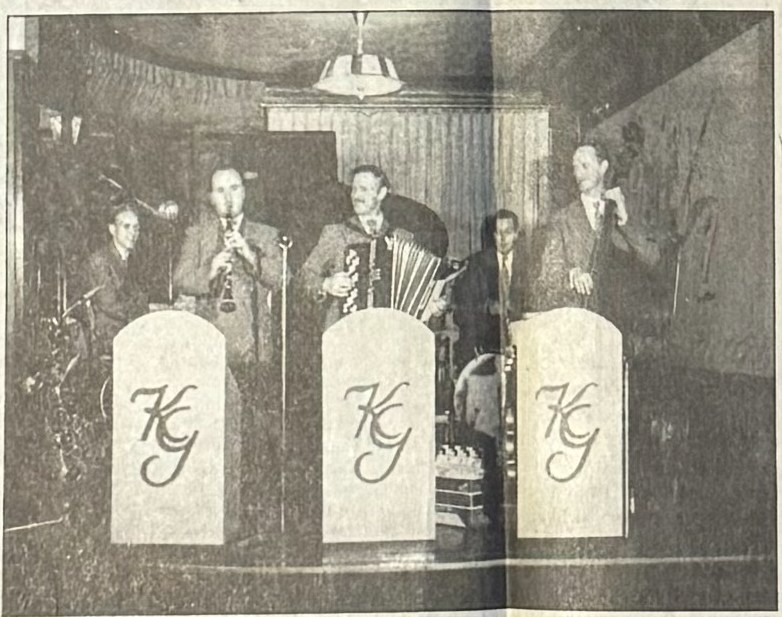
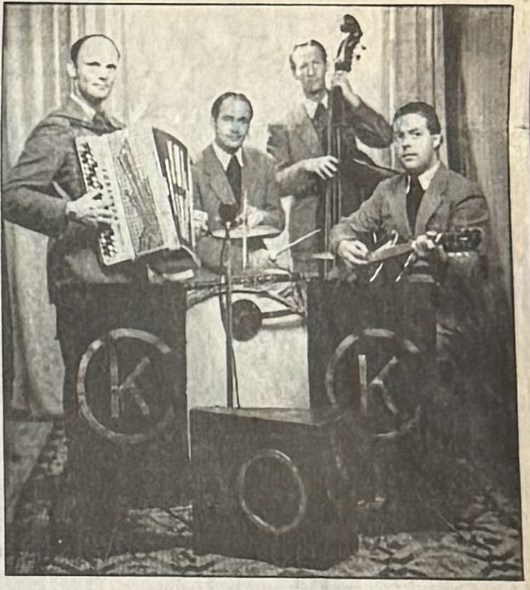
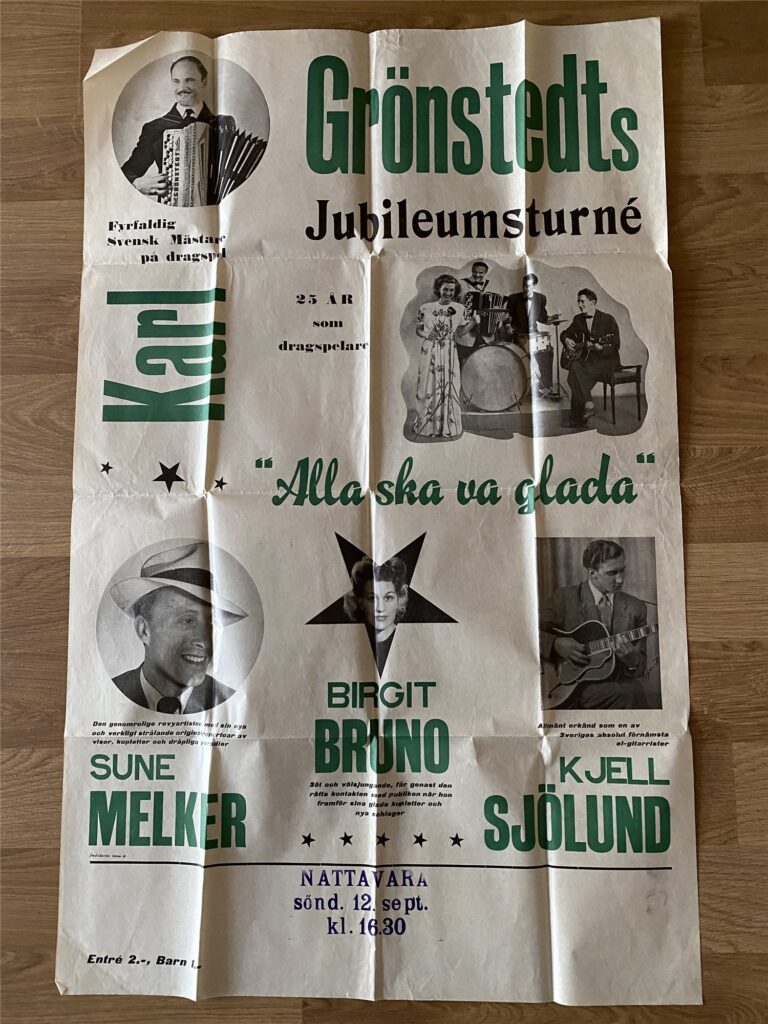
From 1936 to 1941 Karl had his own band based in Ådalen and toured all of northern Sweden – folk parks, open-air dance floors and jetties along the river. He liked to tap-dance on an upturned bass drum, and “Kalle Grönstedt’s Band” became a familiar name in the entertainment ads along the Ångerman River.

Erling, Karl, Jenny, Gösta and Ture Grönstedt.
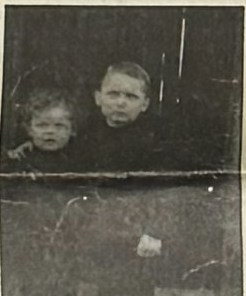
Kalle (right), about four years old, with his younger brother Ture. Photo from Kalle Grönstedt’s archive.



Legacy
Karl’s legacy and significance
Musical legacy
Melodies that live on
His compositions, such as “Månsken över Ångermanälven,” are still played by accordionists all over Sweden.
Competition legend
Champion and role model
Swedish champion in 1941 and 1944, Nordic champion and a role model for generations of accordionists.
Music publisher
A door-opener
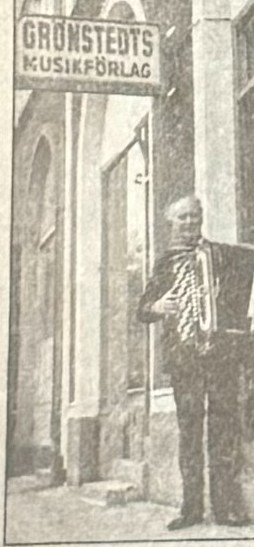
Founded his own publishing house in 1960 and helped many young accordionists get their compositions published.
In popular culture
Karl Grönstedt became a household name even outside the accordion world – Povel Ramel mentions him in “Birth of the gammeldans” from the revue På avigan (1966).
The brothers
Karl and Erling – two sides of the same coin
Born 1912 · the eldest
Karl Grönstedt
- Personality: outgoing, businesslike
- Career: Stockholm, tours, film
- Best known for: Månsken över Ångermanälven
- Internationally: Nordic champion
- Home: Stockholm and Värmdö
Born 1923 · the youngest
Erling Grönstedt
- Personality: reserved, a homebody
- Career: Stockholm, tours, music teacher
- Best known for: Kaffetåren
- Internationally: turned down France
- Home: Stockholm, Härnösand and Spelmansvägen
Despite their different personalities and career paths, the brothers shared a deep love of Ådalen, accordion music and the Swedish folk music tradition. Together they carried the musical heritage of Ådalen to the whole of Sweden.
Sources
Sources and references
- Wikipedia – Karl Grönstedt (Swedish)
- Sveriges Dragspelares Riksförbund (SDR)
- Folket kring Ådalens Mississippi (Lars-Ivan’s website), based partly on the TV program “En dragspelskung och hans musik” (1982)
- The Accordion Museum in Kramfors
- Svensk mediedatabas (Swedish Media Database)
- Grönstedt family archive
- Interviews and personal memories
Keep exploring